Heritage Roof Restoration: Balancing Character and Safety
@donovanwdmj726
A heritage roof contributes to a building’s character through its shape, materials and details. On the Sunshine Coast, restoring that roof also means managing intense sunlight, heavy rain, humidity and, near the coast, salt exposure. The best approach protects original features while making sure the roof remains structurally sound and weatherproof.
Check Heritage Requirements Before Starting Work
Before replacing roofing, changing colours or removing decorative features, check whether the property has state or local heritage protection. Sunshine Coast Council’s planning information and the Queensland Heritage Register are useful starting points. Requirements depend on the property’s listing, location and proposed work; not every older home is heritage-listed.
Confirm approval requirements before ordering materials. Heritage approval, development approval and building approval are separate considerations, and some work may qualify for exemptions. A suitably qualified heritage adviser, building certifier or council officer can help clarify what applies.

Inspect First, Then Choose the Least Intrusive Repair
A thorough assessment should identify both visible damage and its underlying cause. Water stains, for example, may result from failed flashing or overflowing gutters rather than damaged roofing alone.
- Check roof framing for sagging, moisture damage, timber decay and termite activity.
- Inspect metal sheets, tiles, ridge details, flashings and fasteners for deterioration.
- Assess gutters, downpipes and valleys for blockages, corrosion and drainage problems.
- Record original profiles, finishes and decorative details before any material is removed.
Where practical, retain sound original material and repair isolated defects. Full replacement may be necessary when deterioration is widespread, but it should follow a documented assessment rather than assumptions based on the roof’s age.
Match Materials Without Compromising Performance
Preserve the Roof’s Defining Details
Replacement materials should respect the original roof profile, sheet dimensions or tile pattern, ridge treatment and colour where these contribute to heritage significance. A modern product described as “heritage style” is not automatically an appropriate match.
Account for Coastal Conditions
For Sunshine Coast properties exposed to salt, select roofing, coatings and fasteners suited to the actual exposure conditions. Check manufacturer limitations and warranties, particularly near breaking surf. Incompatible metals and unsuitable runoff paths can accelerate corrosion, so gutters, flashings and fixings need to work together as a system.
Insulation, ventilation and roof underlays may improve comfort and moisture management, but their suitability depends on the existing construction. Poorly planned upgrades can trap condensation or alter significant details.
Make Safety Part of the Restoration Plan
Do not walk on an ageing roof to investigate leaks. Fragile sheets, loose tiles and weakened framing create serious fall risks. Engage appropriately licensed and insured contractors, and ask how they will manage access, fall protection and temporary weatherproofing.
Older roofs and associated components may contain asbestos. Suspected materials should be assessed before drilling, cutting, cleaning or removal. Never pressure-clean suspected asbestos roofing; use appropriately qualified professionals and follow Queensland asbestos requirements.
Where structural repairs or replacement are proposed, obtain advice about applicable building requirements, including wind resistance and roof tie-downs. Heritage considerations do not remove the need for safe, compliant work.
Plan for Ongoing Maintenance
Request a written scope covering retained materials, proposed replacements, approvals, hidden-damage allowances and protection of the building during work. Keep photographs and product records for future repairs.
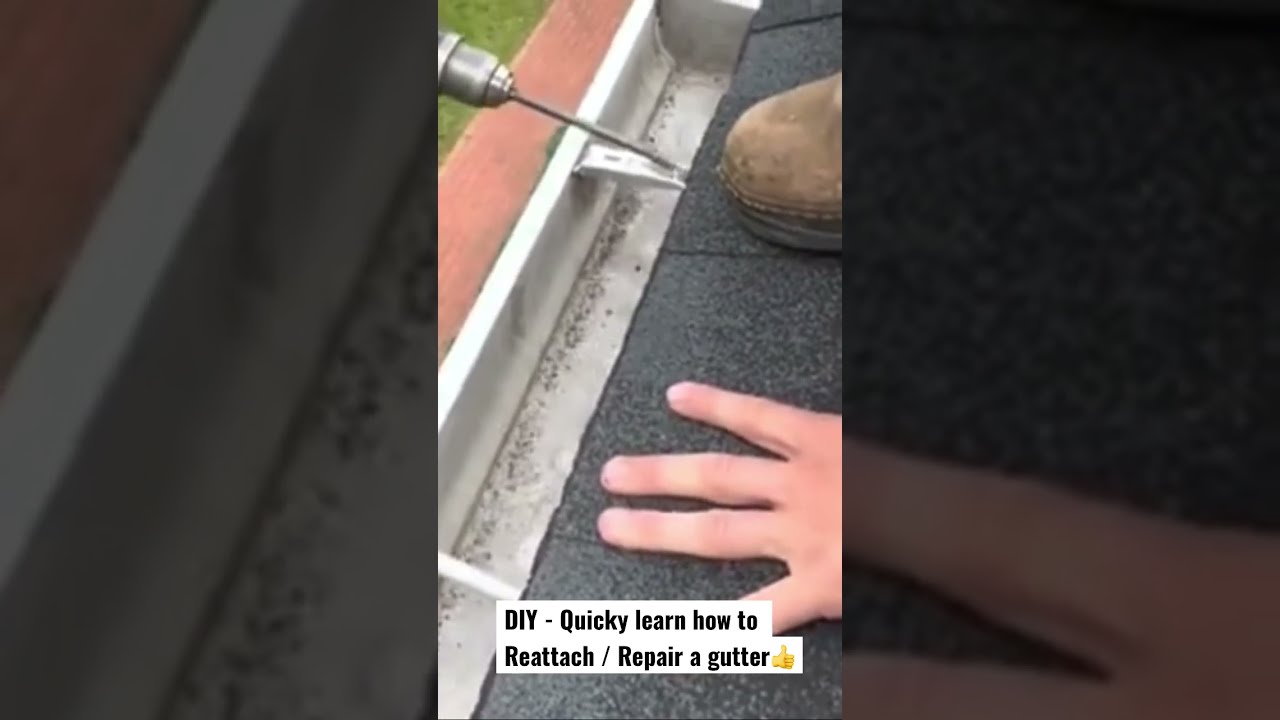
After restoration, arrange periodic inspections and gutter cleaning, with additional checks after severe weather. Prompt attention to loose flashings, blocked drainage and early corrosion helps protect both the roof’s character and the building https://kamerondqvp809.quantlynix.com/posts/7-warning-signs-your-roof-needs-more-than-a-quick-repair beneath it.
Sunshine Coast Roof Restoration & Repair
Unit 8/13 Newspaper Pl, Maroochydore QLD 4558
(07) 4145 4576